

A North India road trip from Delhi can be one of the most rewarding ways to explore the Himalayas, heritage cities and spiritual destinations. It can also become tiring and expensive when the route, vehicle and daily schedule are not planned properly. The best trip is not necessarily the one that covers the most places; it is the one that gives travellers enough time to enjoy each destination without rushing.
This practical checklist explains how families, groups and corporate travellers can plan a comfortable road journey from Delhi to popular destinations in Himachal Pradesh, Uttarakhand, Rajasthan, Punjab, Uttar Pradesh and Kashmir.
1. Choose One Travel Region First
The most common planning mistake is combining destinations that look close on a map but require long mountain drives. Select one primary region before building the itinerary.
- Himachal Pradesh: Shimla, Manali, Dharamshala, Dalhousie, Kasol, Tirthan Valley or Spiti Valley.
- Uttarakhand: Haridwar, Rishikesh, Mussoorie, Nainital, Jim Corbett, Auli, Chopta or Char Dham routes.
- Rajasthan: Jaipur, Udaipur, Jodhpur, Jaisalmer, Pushkar, Ajmer or Ranthambore.
- Punjab and Himachal: Amritsar, Chandigarh, Dharamshala and Dalhousie can work well in a carefully paced circuit.
- Golden Triangle: Delhi, Agra and Jaipur is a practical option for first-time visitors and short holidays.
After selecting the region, decide which places are essential and which are optional. Keeping one buffer day or a flexible half-day is especially useful for mountain routes where weather and road conditions can affect travel time.
2. Plan by Driving Time, Not Only Distance
A 250-kilometre drive on a highway and the same distance in the mountains are completely different journeys. Check realistic driving hours, expected meal stops, sightseeing time, traffic near cities and seasonal road conditions.
A comfortable itinerary usually avoids sightseeing immediately after an exhausting overnight journey. When possible, keep the first day light, place the longest transfer in the middle of the tour and reserve the final day for a smooth return to Delhi.
3. Select the Right Vehicle for the Group
The vehicle should be chosen according to the number of passengers, luggage, route and required comfort—not simply the lowest quoted rate.
- Couples and small families: A sedan or SUV can offer privacy and flexible stops.
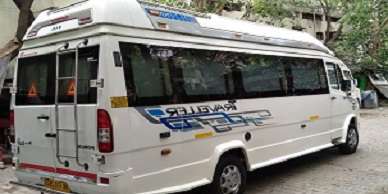
- Medium-sized families or groups: A Tempo Traveller is often practical because travellers can sit together and carry more luggage.
- Premium group travel: Force Urbania may suit travellers looking for added cabin space and comfort.
- Large groups: A minibus or coach can be more organised than dividing everyone across several cars.
Before confirming, ask for the exact seating layout, luggage capacity, air-conditioning terms, vehicle model or category and whether the quoted vehicle is suitable for the planned route.
4. Request a Written, Trip-Specific Quotation
A professional quotation should clearly explain what is included and excluded. Do not compare only the final total because two similar-looking quotations may cover different items.
Check whether the price includes driver allowance, tolls, parking, state taxes, interstate permits, pickup and drop locations, extra kilometre charges, extra-hour charges and applicable hill or local-union restrictions. Hotel inclusions such as room category, meals, child policy and cancellation conditions should also be written clearly.
5. Build a Realistic Budget
Divide the total trip budget into five parts: transport, accommodation, food, sightseeing or activities, and a contingency amount. Keep some reserve for weather-related changes, optional experiences and last-minute local transport.
For a group trip, calculate both the total amount and the approximate per-person cost. This makes comparisons easier and prevents confusion when people join or leave the plan later.
6. Check Seasonal Conditions
North India changes dramatically with the season. Summer brings heavy demand to hill stations, monsoon can affect mountain roads, winter may require flexible snow-route planning, and festival or holiday periods can increase hotel and transport demand.
Review the latest road, weather and local access information shortly before departure. Avoid treating an old itinerary as a guarantee that every route or attraction will be available on the same schedule.
7. Confirm Safety and Support Details
Before departure, keep the driver's contact information, vehicle details, pickup point, written itinerary, hotel confirmations and emergency contacts in one shared group message or document. Travellers should also carry appropriate identification and personal medicines.
For long-distance journeys, a reasonable schedule and experienced route-aware driver matter more than trying to save a small amount by choosing an unrealistic plan.
8. Keep the Itinerary Flexible
A road trip should have structure without becoming rigid. Mark each activity as essential, optional or time-dependent. This allows the group to adjust if traffic, weather or fatigue changes the day.
For travellers who want customised route planning, chauffeur-driven vehicles and North India tour options from Delhi, Incredible North India provides destination information and booking-specific travel support for families, groups and corporate journeys.
Final Checklist Before Booking
- Destination order and realistic driving times confirmed
- Correct vehicle size and luggage capacity selected
- Written inclusions and exclusions received
- Hotel category and meal plan verified
- Cancellation and change terms understood
- Driver and pickup details scheduled for confirmation
- Contingency budget kept aside
- Seasonal road and weather conditions reviewed
Good planning does not mean filling every hour of the tour. It means choosing a practical route, a suitable vehicle, transparent costs and enough flexibility to enjoy the journey. With these essentials in place, a North India road trip from Delhi becomes safer, smoother and far more memorable.


